
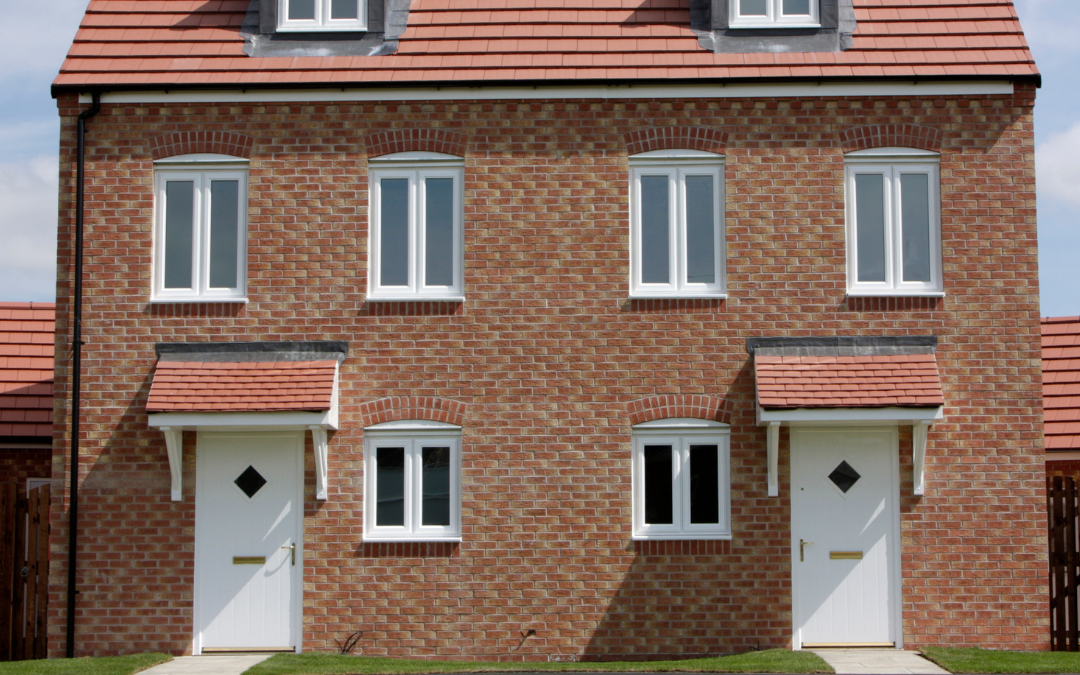
Semi-detached houses come in different architectural styles and sizes, spanning various periods of history. The first semi-detached home was designed by architect John Shaw in the 19th century. This style of home remained popular throughout the 20th century, and a 2016 study revealed that three-bedroom semis are currently the most sought-after properties in the UK. Their combination of space, affordability, and aesthetic appeal continues to attract homeowners across the country.
The Importance of Outdoor Space
Semi-detached and end-of-terrace homes usually provide more outside space than mid-terrace properties. This extra space not only boosts the home’s curb appeal but also offers a place for families to play and entertain. Furthermore, the front and rear gardens can often be adapted to accommodate off-street parking, a highly sought-after feature for many buyers that can contribute to the property’s market value.
Reducing Heating and Maintenance Expenses
While the party wall in a semi-detached home might not let much heat through, the presence of an adjoining property can still lead to significant savings on heating costs. When buying a property, in addition to a thorough building survey, prospective homeowners are now also given energy performance reports. These reports offer insight into a home’s overall energy efficiency, helping buyers compare the semi-detached home they are considering with other properties in terms of energy use.
Potential Drawbacks
Privacy vs. Noise: What to Consider
Living in a semi-detached home means you only have one neighbour, which can offer more privacy and potentially less noise compared to terraces or flats. However, detached homes provide greater peace and privacy than semi-detached properties. If quiet living is a priority for you, it is important to check the soundproofing of your semi before purchasing. A chartered surveyor will assess this and other factors when conducting the property survey.
Managing Home Maintenance and Repairs
Sharing repair and maintenance costs with a neighbour can help reduce expenses, but it can also make organising repairs more complicated. Not only do you need their cooperation for significant renovations, but you must also comply with the Party Wall Act, which requires you to inform your neighbour before undertaking certain types of work.
Is Your Property Leasehold?
Some semi-detached properties are leasehold, which means you may need to pay yearly ground rent and maintenance fees, and certain types of construction work may be limited. If the property you are considering is leasehold, it is crucial to carefully check the lease details before buying to ensure you are aware of any costs or restrictions.