
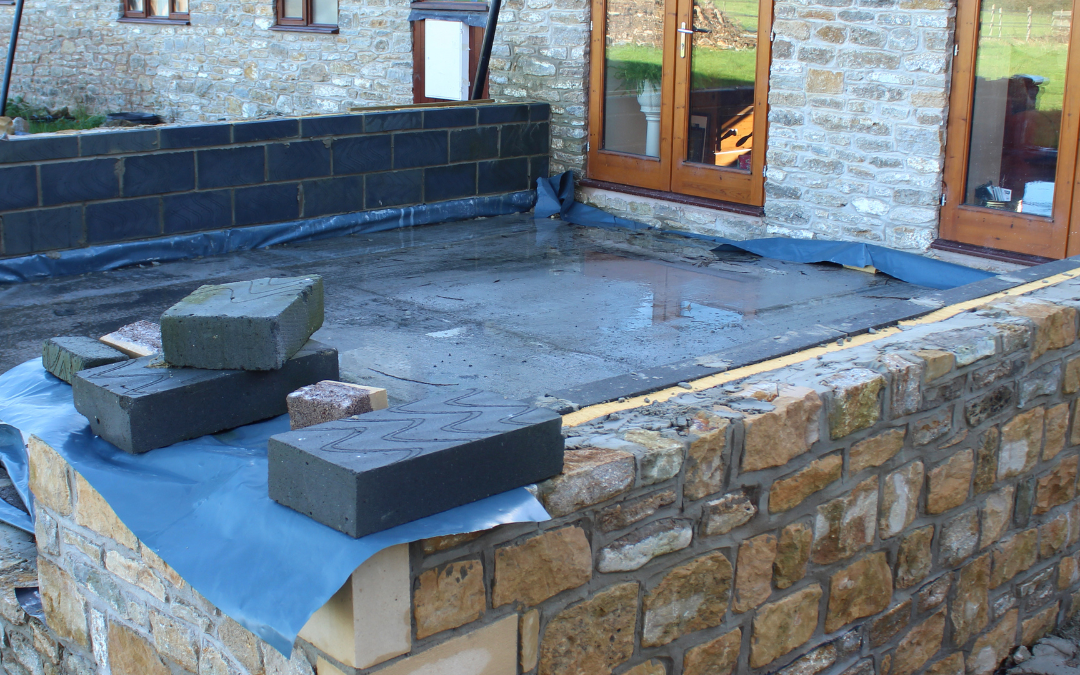
The charm of barn conversions makes them a popular option across the UK, driving significant demand for both completed homes and barns ready for conversion. Despite this competitive atmosphere, it is crucial to approach such purchases with caution. A detailed inspection by a qualified building surveyor is mandatory to uncover potential issues and ensure the property meets your expectations.
The Growing Appeal of Barn Conversions
Known for their stunning rural locations, barn conversions are a favourite for those looking to immerse themselves in countryside living. With their distinctive character and historic charm, these buildings are typically built with materials sourced locally, ensuring they complement the environment.
What makes barn conversions particularly appealing is their presence in areas where obtaining permission for a new building would be impossible. As such, they are often chosen as second homes or by people looking to downsize, often retirees moving out of Town. Their spacious interiors allow for easy placement of furniture and the creation of versatile living spaces.
To Convert or Not to Convert: Buying vs. Renovating a Barn
If location is your top priority, it is wise to consider whether you want to purchase a pre-converted barn or take on a conversion project yourself. In practice, many buyers have a clear preference from the outset, depending on their lifestyle and goals. Let us dive into the pros and cons of each option and some key aspects you will need to consider before making your choice.
Discovering the Right Barn for Your Conversion Project
The search for a barn suitable for conversion has grown more complex over time, with local councils often cautious about granting residential permissions. Even so, specialised companies and auction houses remain key players in this niche market, helping buyers discover conversion opportunities.
The standout advantage of this approach is the freedom to design a home that truly reflects your personal style and needs. By avoiding pre-made decisions, you gain the opportunity to create a space that is both functional and unique. Architects can assist in making the most of the property by adding features like open-plan spaces and mezzanine floors, ensuring an optimal balance of light and practicality.
The downside of buying an unconverted barn lies in the additional due diligence required before making a purchase. You should evaluate whether connecting utilities such as water and electricity will be feasible, confirm the accessibility of the property, and verify whether the roads are managed by the local council. Additionally, consider the distance to nearby amenities and services.
Checking for existing planning permission is essential when considering a barn conversion. Without it, you will need to prepare detailed plans with an architect’s help, consult planning authorities, and secure approval before making a commitment. Listed barns can complicate matters further, as they come with specific requirements that can increase costs. Even if the barn is not listed, it is still important to use materials that blend harmoniously with the structure and the surrounding area.
The most crucial step is to confirm that the barn’s structure is sound. Engaging an experienced RICS surveyor to perform a detailed structural survey ensures you are aware of any potential issues and can move forward confidently. This minimizes the risk of encountering costly surprises once the conversion process is underway.
Structural issues are a common consideration, especially depending on the extent of the alterations you intend to conduct. If significant problems are discovered prior to the conversion or refurbishment, knowing about them early gives you a chance to discuss the price with the seller to factor in the necessary repairs highlighted in your survey.
Buying a Completed Conversion:
The main advantage here is the convenience of moving into a property where the conversion has already been completed. This means you can settle in right away, without the disruption of a lengthy renovation process. Furthermore, if the conversion is recent, you might be offered a warranty that covers the quality of the work conducted.
Despite the appeal, there are potential downsides. In the past, some barn conversions were completed without regard for the building’s original charm, often involving the creation of too many small rooms or the installation of modern materials like UPVC windows. Another important consideration is that some mortgage providers may offer less favourable terms for barn conversions, so it is essential to inquire about this if you are planning to finance the property.