
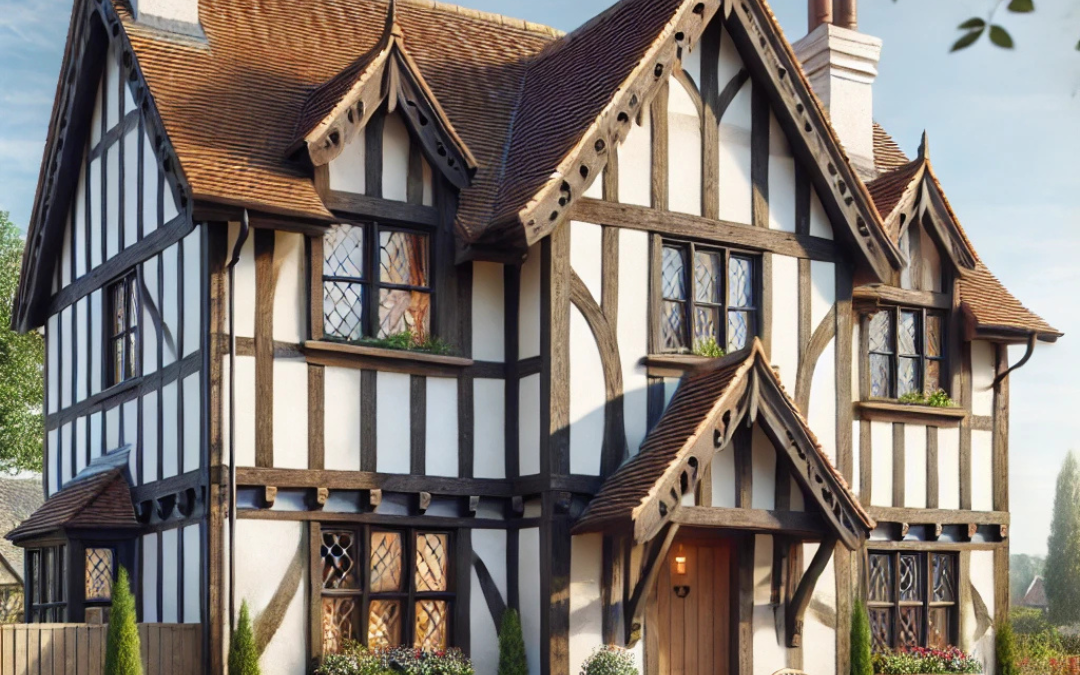
Timber Structured homes are often considered more eco-friendly than traditional builds, but are they a smart investment?
Here we look at the pros and cons of this type of building.
Understanding Them: A Clear Explanation
Timber-framed constructions feature a core structural framework made of insulated wood, enclosed by an external layer that may consist of timber, tiles, or contemporary brick and blockwork with a cavity for thermal efficiency. Internally, plasterboard linings provide a smooth and finished appearance.
Timber-framed construction has been a longstanding method for building homes, with oak being the predominant material in older structures. Numerous barns and outbuildings featuring timber frameworks have been carefully restored and adapted for residential use.
The Upsides.
Eco-Conscious and Sustainable
Compared to steel and concrete homes, timber-framed properties have a much lower carbon footprint during construction. A well-managed timber industry also benefits the environment by encouraging reforestation, with young trees playing a vital role in CO₂ absorption.
Due to wood’s low thermal mass, timber-framed homes warm up faster than masonry-built properties, leading to lower energy consumption and reduced carbon emissions.
Rich in Character and Appeal
The aesthetic appeal of exposed oak beams, a distinctive element in older properties like thatched cottages, remains popular among homeowners. This architectural feature often contributes to increased property values, as reflected in estate agents’ pricing strategies.
A Home Built to Your Preferences
Building a timber-framed home is significantly quicker than constructing a traditional brick-and-mortar house. The frames can be manufactured off-site for rapid assembly or built on location if preferred. Once the structure is up, interior work can start right away, reducing both build time and expenses.
The Downsides.
Insurance and Mortgage Hurdles to Consider
Securing a mortgage or home insurance for a timber-framed property can be more challenging. Since it falls under ‘non-standard construction’—meaning it is not built from brick, concrete, or masonry often lenders may be reluctant to approve loans.
Insuring a new-build property is usually straightforward, but you might struggle to find quotes on standard comparison sites. To get the right coverage, you may need to approach a specialist home insurance provider.
Why Waterproofing Can Be a Concern
Wood naturally expands and contracts, which can be an issue in wet areas like bathrooms. Over time, this movement can crack tiles, letting moisture seep into the timber frame. If left unchecked, this can lead to rot and structural problems.
Common Insect-Related Concerns
While modern wood preservatives offer some protection, timber-framed homes can still be vulnerable to woodworm and dry rot. Regular maintenance and inspections are essential to prevent long-term damage.
Soundproofing Concerns to Consider
Timber is not as effective at blocking sound as masonry, but modern construction methods have significantly improved insulation. Thanks to stricter building regulations, today’s timber-framed homes meet lofty standards for both noise and heat retention.
Unlike modern homes, older timber-framed properties often lack sufficient insulation, making them prone to heat loss and noise issues. Retrofitting them to improve efficiency can be an expensive but necessary investment.