
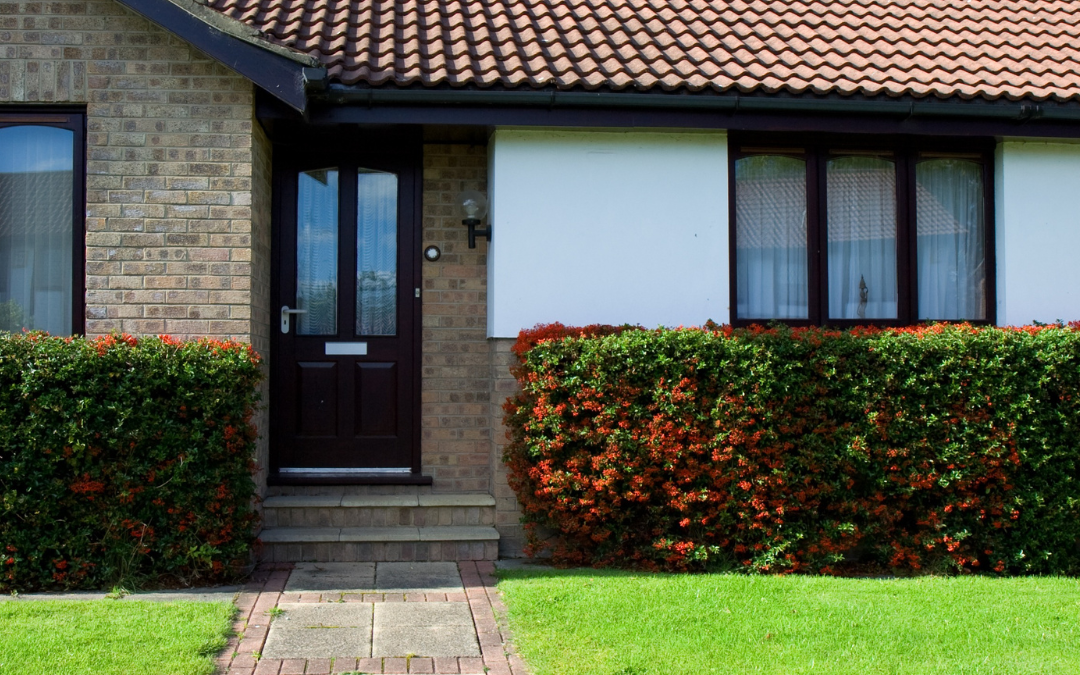
The demand for bungalows is anticipated to increase in the coming years as older buyers prioritise accessible and practical living spaces. In certain regions, these properties are scarce, which could lead to heightened urgency when making a purchase. Nevertheless, it is crucial to take the time to consult a professional property surveyor to ensure the home is structurally sound before finalising any decisions.
Originating in the UK during the late 1800s, bungalows became a favoured housing option by the 1920s and 1930s. However, the construction of these homes has declined in recent years, due to land pressures. In response to the needs of older and disabled residents, the Government is encouraging councils to approve and build more bungalows.
Bungalows are more commonly found in rural settings, where larger plots of land make their construction more feasible. To increase your chances of finding the right property, consider looking beyond the main urban areas and exploring suburban edges or nearby villages, where choices are typically more abundant.
Top Reasons to Consider a Bungalow
Bungalows stand out for their accessibility benefits, especially when compared to traditional two-storey homes. The single-level design removes the obstacle of stairs for those with mobility issues. Moreover, their straightforward construction makes it more feasible to adapt features, such as widening doorways, to accommodate wheelchairs and other accessibility needs.
With their straightforward layout, bungalows are easier to redesign than traditional two-storey homes. Open-plan living spaces are a popular modification, offering improved accessibility and the added benefit of a brighter, more expansive atmosphere within the home.
One of the appealing features of bungalows is their tendency to occupy more spacious plots than similar two-story buildings, especially detached ones. This extra space often translates to increased privacy and a quieter environment, which you can improve by planting shrubs or hedges around your property.
For those considering a future extension, bungalows are a practical choice. Adding an upper floor is often feasible, enhancing the property’s value and maintaining outdoor space. Before buying, however, it is wise to verify whether planning permission for such changes is likely to be granted, rather than making assumptions.
Considerations Before You Decide
While bungalows offer many advantages, it is important to recognise potential disadvantages as well. If you have concerns about the specific property you are considering, a building surveyor’s expertise can be invaluable in identifying potential issues and providing reassurance.
The single-floor layout of bungalows means they often have less room than two-storey homes on similar-sized plots. Another factor to bear in mind is that the price per square metre of living space is higher for bungalows, which could impact your overall costs.
Security can be a particular concern with bungalows, as their single-story design makes it easier for intruders to gain access. To safeguard your home, it is important to invest in strong locks for all doors and windows and consider additional measures such as installing an alarm system.
Ground-floor layouts in bungalows, with bedrooms and bathrooms on full display, can create privacy challenges. It is worth considering adjustments, such as installing frosted glass or blinds, to prevent unwanted visibility from the outside and protect your personal space.
When deciding if a bungalow is suitable for you, take time to evaluate all the factors involved. It is important to consider whether the property meets your current needs and whether it can be adapted or renovated in the future to suit any changes.
Many bungalow buyers, particularly those who are moving into retirement or downsizing, often pay for the property with cash rather than obtaining a mortgage. Regardless of how you plan to pay, however, it is important to arrange for a comprehensive building survey before committing to a purchase. If you are using a mortgage, the lender’s valuation report is not enough, as the report is completed with the lender’s interests in mind. To protect your investment, appointing an independent property surveyor is a crucial step.