
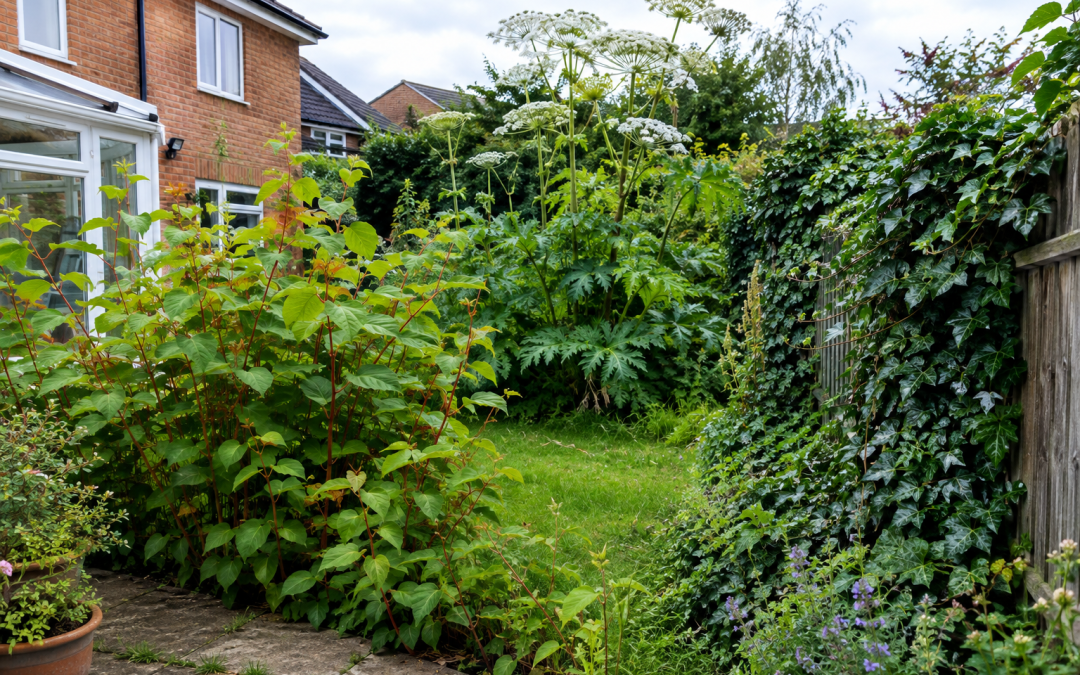
A well-maintained garden can be an attractive feature when buying a property, providing additional space and enhancing the overall appearance of a home. However, some trees and plants can create problems that may not be immediately obvious during a viewing.
From invasive species to tree roots and climbing plants, certain vegetation can potentially affect the building, drainage, and surrounding structures. Understanding these risks before purchasing can help you avoid unexpected maintenance and repair costs.
Trees: An Attractive Feature with Potential Risks
Trees can add considerable character to a garden. They provide shade, improve privacy, and can support a variety of wildlife. However, their proximity to a property should be considered carefully.
Large or established trees may have extensive root systems that can interact with foundations, drainage systems, and other structures. In certain circumstances, this can contribute to movement or damage, particularly where existing defects or vulnerable ground conditions are present.
Signs such as cracking to walls, sticking doors or windows, or damaged drainage should not automatically be attributed to nearby trees, but they may warrant further investigation.
Branches that extend over roofs, gutters or other parts of the property can also require regular maintenance, particularly where trees are close to the building.
Climbing Plants May Hide Problems
Climbing plants can transform the appearance of a property, but they need to be kept under control.
Plants such as ivy and wisteria can grow extensively if left unmanaged. When growing against walls, roofs, or other parts of a building, they can make it more difficult to inspect the underlying structure and may contribute to problems with masonry, gutters, roof coverings, and moisture.
Vegetation can also conceal existing defects, making it harder to identify issues during routine maintenance or a property inspection.
Japanese Knotweed: An Important Warning for Buyers
Japanese Knotweed is an invasive plant that can be particularly concerning for property owners and prospective buyers.
It can grow rapidly and can spread through extensive underground rhizomes. Where Japanese Knotweed is present close to buildings, hard surfaces, drainage systems or other structures, specialist assessment may be required to determine the extent of the problem and the appropriate management strategy.
Its presence can also create difficulties when buying or selling a property, particularly where lenders, insurers or other professionals require evidence that the issue is being appropriately managed.
Japanese Knotweed is subject to specific legal controls, including restrictions concerning its disposal and the spread of contaminated material. Professional advice should therefore be obtained if the plant is suspected.
Do not Ignore Vegetation During a Property Survey
When viewing a potential new home, it is easy to concentrate on the building itself and overlook the garden. However, trees, shrubs and climbing plants can sometimes provide important clues about potential maintenance requirements or defects.
A professional property survey can help identify vegetation that may warrant further investigation and highlight areas where specialist advice could be beneficial.
It is also worth considering whether a property has a communal garden or shared outdoor areas. In these circumstances, buyers should establish who is responsible for maintaining trees, plants, boundaries, and other external areas before completing the purchase.
Get Professional Advice Before You Buy
If you are considering purchasing a property with mature trees, extensive vegetation, or potentially invasive plants, understanding the condition of the property and its surroundings can help you make a more informed decision.
At S Jones Surveying, our independent surveys are conducted with the interests of the homebuyer in mind. Where vegetation presents a potential concern, we can highlight this within the report and advise when further specialist investigation may be appropriate.
Before committing to your purchase, do not overlook the garden. What appears to be an attractive feature could sometimes require further investigation, and identifying potential problems early can help prevent unwanted surprises later.