
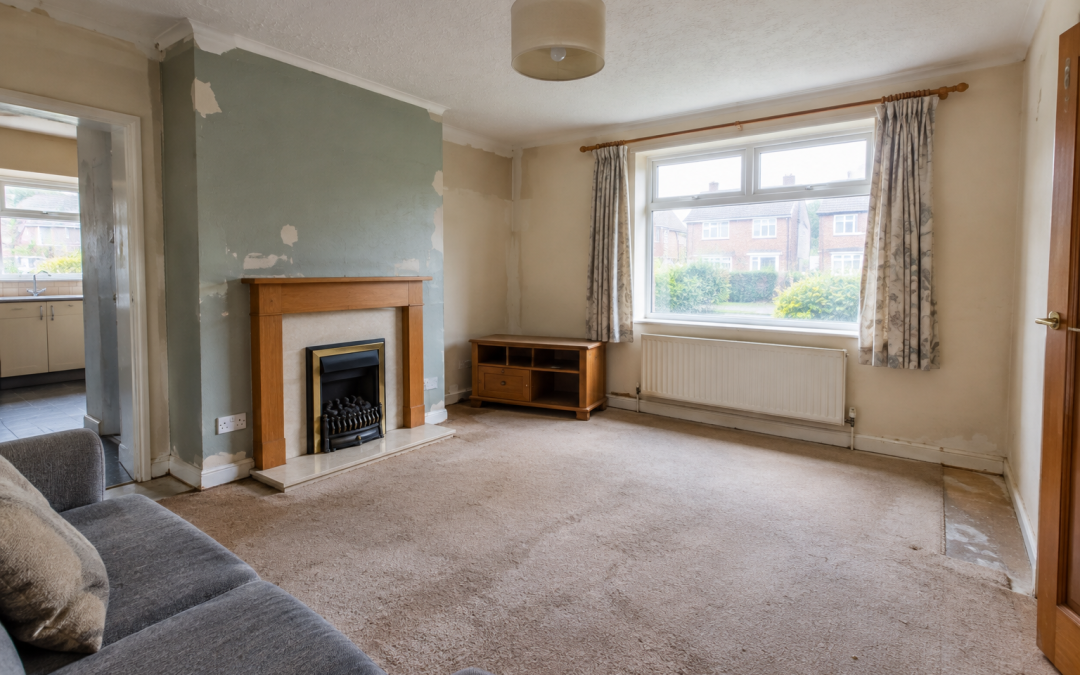
Buying a property that needs renovation can be an attractive investment opportunity. Whether your intention is to sell the property once the work is complete or rent it out as part of a longer-term investment, renovation can potentially add value and improve the property’s appeal.
However, taking on a renovation project is quite different from buying a home to live in. Before committing to a purchase, it is important to consider the costs, legal requirements, condition of the property and the work involved.
Treat the Property as an Investment
One of the biggest mistakes investors can make is allowing personal taste to influence renovation decisions too heavily.
If you are planning to sell or rent the property, the finished home needs to appeal to a wide range of potential buyers or tenants. Highly personalised designs, unusual colour schemes, or expensive features may suit your own tastes but could make the property less attractive to others.
A more neutral approach can often work better. Simple colours such as white, cream, grey and subtle pastel shades can create a clean and modern appearance while providing future occupants with a blank canvas.
You can still introduce character through furniture, lighting, and accessories without making permanent changes that could restrict the property’s appeal.
Do not Underestimate the Cost of Renovation
Before purchasing a property, it is important to establish exactly what work is likely to be required and how much it could cost.
Cosmetic improvements such as decorating and replacing flooring may be straightforward, but problems involving the roof, damp, drainage, electrics, plumbing, or structure can quickly increase the overall budget.
It is also sensible to allow some money for unexpected problems. Renovation projects do not always go according to plan, and discovering additional defects once work has started can lead to delays and additional expense.
Obtaining quotations from reputable tradespeople before committing to the purchase can help you develop a more realistic renovation budget.
Know When to Use a Professional
DIY can reduce costs in some circumstances, but there are certain jobs where professional expertise is essential.
Structural alterations, electrical work, plumbing and other specialist tasks should be carried out by appropriately qualified and experienced professionals. Attempting complex work without the necessary knowledge could create safety problems and potentially cost more to put right.
Gas appliances and gas-related work require particular care. Any work involving gas should be undertaken by an appropriately qualified engineer who is registered with Gas Safe, helping to ensure that the work is completed safely and in accordance with the relevant requirements.
Understand Your Legal Responsibilities
If the property is going to be rented out, there are a number of legal and safety responsibilities that need to be considered before tenants move in.
Landlords must comply with relevant legislation and ensure that the property meets applicable safety requirements. Depending on the work being conducted, you may also need to consider building regulations, planning permission and other approvals.
This is particularly important if you are planning structural alterations, extensions, or significant changes to the property.
Rules and regulations can also change over time, so investors should make sure they are working with current information and obtain appropriate professional advice where necessary.
Do not Overlook the Importance of a Property Survey
A property survey can be particularly valuable when purchasing a home that requires renovation.
While a property may appear to be in reasonable condition, there can be defects that are not immediately obvious to an untrained eye. A professional survey can help identify potential problems and give you a clearer understanding of the property’s overall condition.
A Building Survey may be particularly appropriate for properties requiring significant renovation or those that are older or have been altered.
The findings can help you understand what work may be required and, where possible, allow you to obtain quotations before proceeding with the purchase.
Make an Informed Investment Decision
Renovating a property can provide opportunities to improve its condition, appearance, and potential value, but it is important not to underestimate the work involved.
Before purchasing, consider the renovation costs, potential unexpected expenses, professional fees, legal requirements and the property’s appeal to future buyers or tenants.
Most importantly, obtaining a suitable property survey before committing to the purchase can provide valuable information about the building and help you make a more informed decision.
A successful renovation starts long before the first wall is painted. By understanding the property’s condition and planning the project carefully, you can reduce unexpected surprises and approach your investment with greater confidence.