
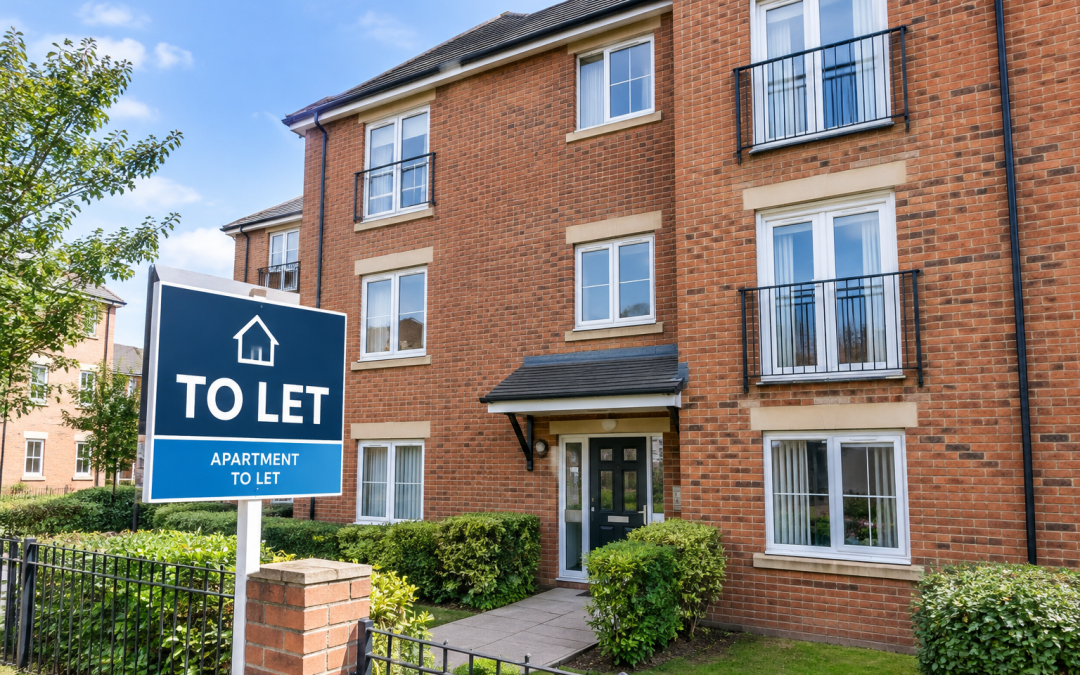
Investing in a buy-to-let property can provide an opportunity to generate rental income while potentially benefiting from long-term changes in property values. However, becoming a landlord involves more than purchasing a property and finding suitable tenants.
From selecting the right location and calculating the actual cost of ownership to understanding the condition of the building, there are several key factors to consider before committing to a purchase.
Whether you are considering your first rental property or adding to an existing portfolio, conducting thorough research, and obtaining professional advice can help you make a more informed investment decision.
Start with the Local Rental Market
Location is one of the most important considerations when assessing a potential buy-to-let property.
A property may appear attractive from an investment perspective, but its rental potential will depend on demand from tenants in that area. Before making an offer, research the local market and consider factors such as:
- Typical monthly rental prices
- Levels of tenant demand
- Average vacancy periods
- Local employment opportunities
- Transport connections
- Schools and other amenities
- Planned regeneration and development.
It can also be worthwhile speaking with local letting agents. Their knowledge of the area can provide useful insight into which types of properties are currently attracting tenants and what renters are prepared to pay.
Calculate the Full Cost of the Investment
The purchase price is only one part of the financial commitment involved in owning a rental property.
Before proceeding, create a realistic budget that takes account of both the initial purchase costs and ongoing expenses. These could include:
- Mortgage and financing costs.
- Insurance
- Letting or property management fees
- Routine maintenance
- Repairs and unexpected expenditure
- Safety and compliance requirements
- Service charges and ground rent, where applicable
- Periods when the property is unoccupied.
It is important to allow for unexpected costs rather than basing your calculations on the assumption that the property will always be occupied.
A property that produces an attractive rental income on paper may provide a very different return once all associated costs have been considered.
Consider Who Your Tenants Will Be
Understanding your target rental market can help you select a more suitable property.
For example, a three-bedroom house with a garden and parking may appeal to families, while a well-located apartment could be more appropriate for professionals seeking convenient access to employment centres and public transport.
Think about the type of tenants most likely to rent in the area and choose a property that meets their requirements.
The easier a property is to market to the local tenant population, the greater the potential for reducing lengthy periods without rental income.
Look Beyond Cosmetic Appeal
A property may look impressive during a viewing, but appearances do not necessarily tell you everything about its condition.
Modern kitchens, bathrooms, and attractive décor can make a property appealing to prospective tenants, but landlords also need to consider the condition of the underlying building.
Pay particular attention to areas such as:
- The roof and coverings
- Walls and external elevations
- Windows and doors
- Signs of damp or timber decay
- Drainage
- Loft spaces and insulation.
- Floors and structural elements
- Plumbing and other visible services
Some defects can be inexpensive to address, while others could require significant investment.
Understanding these issues before purchasing can help you budget more accurately.
Do not Rely Solely on a Mortgage Valuation
One of the most important distinctions for prospective landlords to understand is the difference between a mortgage valuation and a property survey.
A mortgage valuation is primarily conducted for the benefit of the lender and is used to assess whether the property provides suitable security for the proposed mortgage. It is not intended to provide the purchaser with a comprehensive assessment of the building’s condition.
A professional property survey can provide more information about the condition and potential defects within the property.
Depending on the type of survey undertaken, it may identify issues such as:
- Structural movement
- Roof problems
- Damp
- Timber defects.
- Drainage concerns
- Defective alterations
- Insulation issues
- Significant maintenance requirements
For a buy-to-let investor, identifying these problems before completion can be particularly valuable. Once you become the owner, the cost of dealing with significant defects could become your responsibility.
Could a Survey Save You Money?
The cost of a professional survey should be considered alongside the potential cost of unexpected repairs.
Imagine purchasing a property believing that only minor improvements are required, only to discover after completion that the roof requires substantial work or that there are significant signs of damp or structural movement.
A survey can provide an opportunity to investigate such concerns before you commit to the purchase.
Where significant defects are identified, you may be able to reconsider the purchase, budget for the necessary works, or use the information when negotiating the purchase price.
The survey therefore provides more than a description of the property — it can form an important part of your investment planning.
Renovation Properties Require Careful Planning
Buying a property that requires refurbishment can sometimes provide an opportunity to add value. However, renovation projects also introduce additional risks.
Before purchasing a property that needs substantial work, consider the cost and timescale of the project.
You should also allow for:
- Unexpected building defects
- Contractor costs
- Materials and labour
- Planning requirements
- Building regulations
- Delays to the project
- Mortgage and finance costs.
- Lost rental income while work is completed.
- Future maintenance
A detailed survey can help establish the condition of the property and highlight areas that may require further investigation before you proceed.
Think About Long-Term Maintenance
A successful buy-to-let investment should not simply be assessed on its potential rental income.
Consider how the property is likely to perform over the longer term and whether it is likely to require significant maintenance.
Older properties can have greater maintenance requirements, while features such as large gardens, ageing extensions or outdated services may increase your future expenditure.
When comparing properties, think beyond the initial purchase and consider the potential costs of maintaining the building throughout your ownership.
Understand Your Responsibilities as a Landlord
Landlords have responsibilities relating to the condition, safety, and management of rental properties. The specific legal and regulatory requirements can change over time, so investors should ensure they understand the rules that apply to their property and circumstances before letting it.
Allowing for compliance-related costs within your investment calculations can help prevent unexpected financial pressures later.
Professional advice from appropriately qualified property, legal, tax or letting specialists can also be valuable when establishing a buy-to-let investment strategy.
Make the Property Part of the Investment Decision
It can be tempting to concentrate on rental yield and purchase price when comparing potential investments. However, the physical condition of the property should also form an important part of your decision.
A property with a slightly lower purchase price may require more expenditure to maintain, while a property that appears more expensive initially could potentially require less immediate investment.
Understanding the whole picture can help you compare properties more realistically.
Final Thoughts
Buy-to-let investment requires careful consideration. Rental demand, location, purchase costs, ongoing expenses, tenant requirements, and the condition of the property can all influence the viability of an investment.
Most importantly, investors should understand exactly what they are purchasing before committing themselves financially.
A professional property survey can provide valuable information about the condition of a building and highlight potential problems that may otherwise remain unnoticed. Identifying these issues before completion can help you budget for future works, negotiate where appropriate and make a more informed investment decision.
If you are considering purchasing a buy-to-let property, S Jones Surveying can provide professional property surveys to help you understand the condition of your prospective investment before you proceed.