
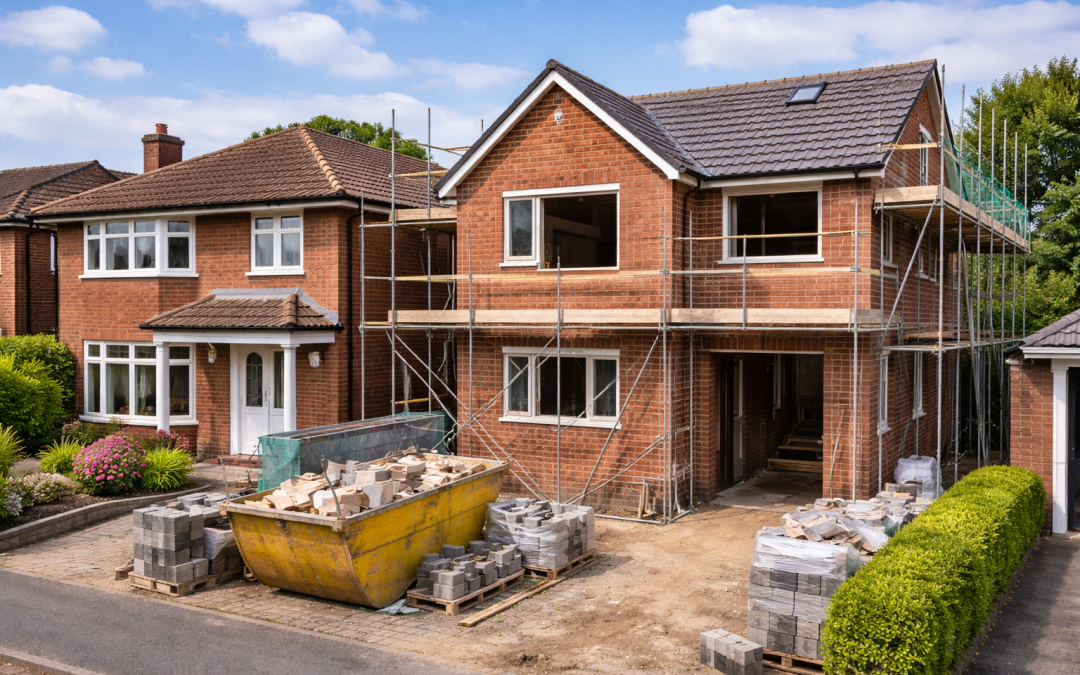
What does “building on the boundary” mean?
It means building a new wall either up to the boundary line between two properties or astride it (partly on both properties).
What is the difference between “up to” and “astride” the boundary?
- Up to the boundary: the wall is fully on your land, but right next to the boundary.
- Astride the boundary: the wall sits partly on your land and partly on your neighbour’s land and becomes a party wall.
Do I need to tell my neighbour?
Yes. You must give your neighbour at least one month’s notice before starting work, even if the wall will be entirely on your own land.
What if my neighbour does not agree?
If your neighbour does not agree to a wall being built astride the boundary, you can still build but the wall must be entirely on your land and paid for by you.
Who pays for the wall?
Usually, the person who benefits from the wall pays for it. If your neighbour later uses the wall (for example, for their own extension), they may need to contribute to the cost.
Can foundations go under my neighbour’s land?
Yes, if they are necessary for the wall. Your neighbour cannot refuse reasonable foundations, but reinforced (special) foundations require their written consent.
What about access to my neighbour’s land?
You are allowed temporary access if it is needed to build the wall if you give 14 days’ notice (or less in an emergency).
What if there is a dispute?
If you and your neighbour cannot agree, the Party Wall etc. Act sets out a formal process involving surveyors, who will issue a Party Wall Award explaining how the work should proceed.
Do I need professional advice?
In most cases, yes. A party wall surveyor or architect can help you follow the correct process and avoid delays or disput