
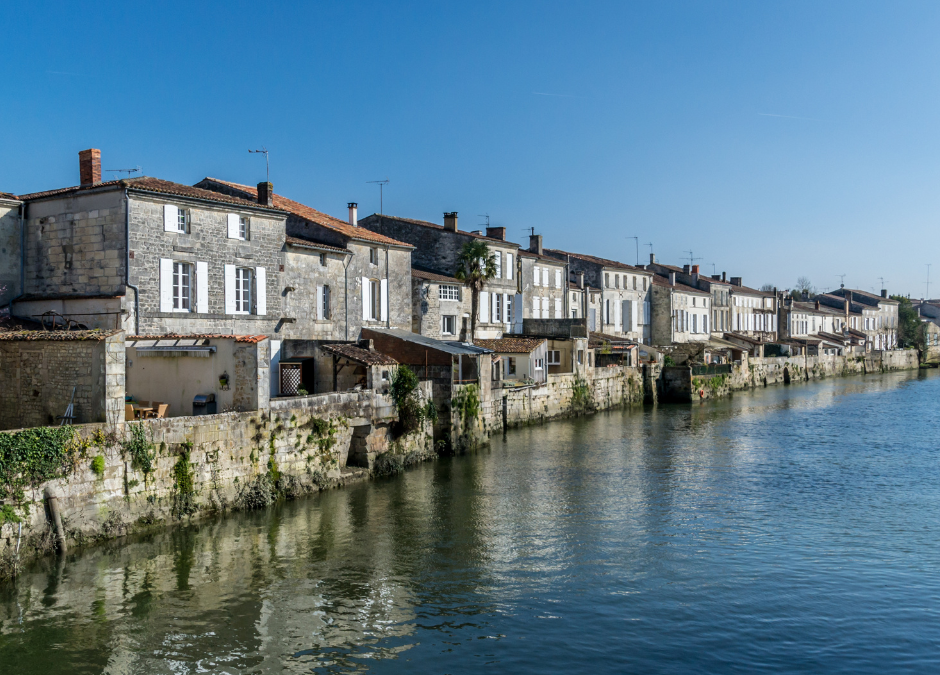
Flooding is a frequent issue that affects many homeowners during the winter months. If you are in the process of buying a property, it is essential to understand the potential flood risks involved. Taking preventative steps early can help protect your investment. One key recommendation is to commission a full building survey from an independent chartered surveyor, which can reveal hidden issues and provide expert insights into a property’s flood resilience.
Actions You Can Take on Your Own
Before purchasing a property, it is important to take certain precautionary steps. One useful resource is the UK Government’s flood risk map, available at gov.uk, which offers an overview of long-term flood risks in each area. However, this tool is limited in scope it will not provide detailed insights about how flooding may specifically affect the property you are considering.
Your local authority can often provide additional peace of mind. In many cases, they also serve as the designated flood authority, with plans in place to help residents during emergencies. This might include offering sandbags, temporary accommodation, or other practical measures to help minimise the impact of flooding.
You might also want to look at the Flood Re website. It offers advice on which areas are most at risk of flooding, and more importantly, gives an idea of what it could cost to insure a home there. It is a helpful government-backed initiative created in partnership with the insurance industry.
How a Solicitor Can Assist You
During the conveyancing process, your solicitor plays a key role in identifying potential risks, including flooding. If their searches particularly the environmental report highlight a high flood risk, they can arrange for a more detailed flood risk assessment. This report offers deeper insight, including records of past flooding and information on existing local defences like flood barriers.
Should any red flags come up in the environmental or flood reports, it is worth following up with the seller’s insurance company, past or present. This can help you find out if there have been previous flooding problems with the property or others in the same area.
Furthermore, ask the current owners if they have knowledge of any prior claims concerning structural movement.
In addition, enquiries should be made to determine whether the current insurer is prepared to continue coverage without applying elevated premiums, increased excesses, exclusions for specific perils, or other special conditions. This information can be indicative of the property’s perceived flood risk.
What to Expect from Your Chartered Surveyor
As RICS rightly points out, the checks your solicitor conducts from behind a desk are no substitute for an in-person inspection by a surveyor. A full building survey includes a deeper dive into the property’s condition and past, including any history of flooding. If this is something you are worried about, let your surveyor know beforehand so they can pay special attention to it in their assessment.
If flooding is flagged as a potential issue, your surveyor may recommend more detailed checks. These can include assessing groundwater or surface water risks, which are not always visible on government flood maps or online tools.
In situations where it is deemed appropriate, we will provide tailored recommendations aimed at reducing flood risk, including enhancements to the property’s external drainage, such as improving the efficiency of rainwater runoff in garden and landscaped areas.
If you are looking at a property that has previously experienced flood damage, surveyors can suggest appropriate remedial measures. These recommendations can serve as a foundation for negotiating a lower purchase price. The specific advice will depend on the property’s location and the types of materials used in its construction.