
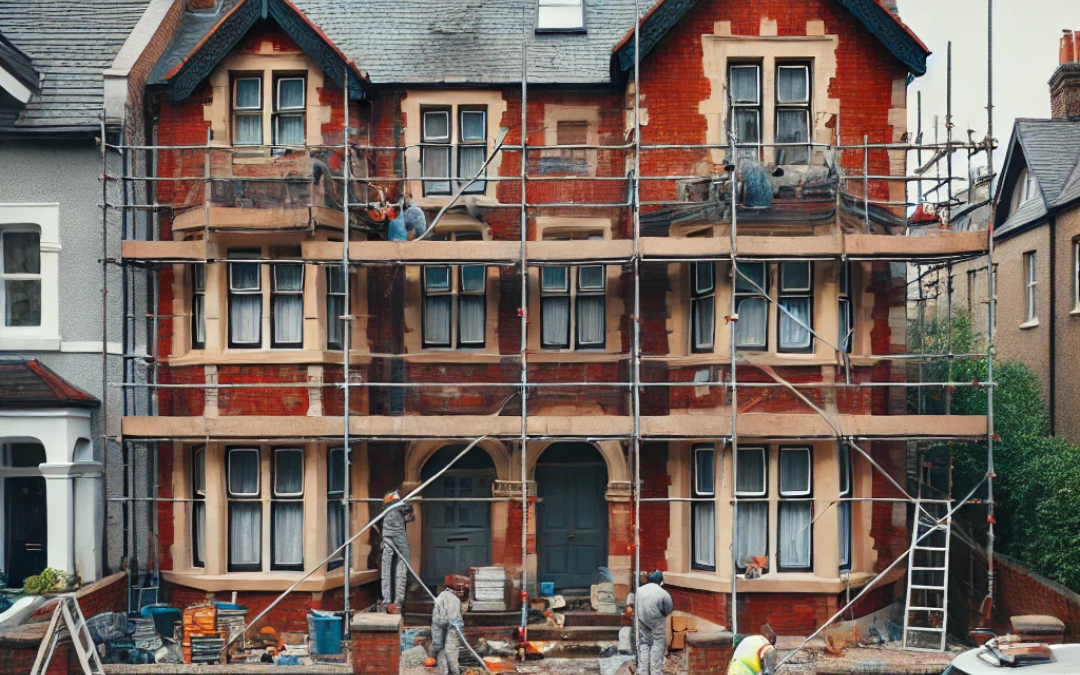
Key Considerations When Buying a Home to Renovate.
In recent years there has been a significant escalation in people taking on renovation projects, either to sell or rent the property afterward. However, this approach requires a different mindset compared to buying a home to live in. It is important to understand the financial, logistical, and long-term implications that come with purchasing a property for investment.
It is a Property Investment, not a Home.
When styling a home, it is crucial to think beyond your own preferences, especially if you plan to sell or rent. Overly personalised fixtures can alienate future occupants who may not share your tastes. By choosing neutral colours like whites, pastels, or greys, you allow for flexibility, creating a space that feels fresh and stylish for any potential buyer or tenant. This approach also lets you experiment with bold furniture and accessories.
Do not Skip the Necessary Steps
It is easy to be tempted to tackle all the work yourself when you are not going to be living in the home, especially with a tight budget. But taking this route can backfire eventually. While DIY may seem like an effective way to save money, poorly executed work can lead to expensive problems that you will have to fix later.
Specialist tasks such as structural changes, rewiring, and plumbing work are best left to professionals. Experienced tradesmen should manage any structural modifications, qualified electricians are necessary for rewiring, and accredited plumbers should deal with hot-water system issues. Do not attempt these if you are not confident in your own expertise.
For the safety of everyone in the property, it is important that any work on boilers or gas appliances is conducted by a qualified ‘Gas Safe’ registered engineer. This guarantees that all gas-related tasks are completed safely and according to regulations.
Know the Laws That Apply
t’s vital to fully understand your legal responsibilities when renting out a property. Failing to respect tenants’ rights or lacking the appropriate safety certificates could result in legal action. Furthermore, if you are making structural changes, ensure you are following building regulations and confirm whether planning permission is necessary.
All these considerations should be part of your overall budget. Plus, the rules are always evolving. For example, from April 2020, landlords will not be able to deduct mortgage interest from their rental income, which means their tax bills could be higher than before.
Get a Survey Completed
When buying a property with the intention of renovating and either selling or renting it out, a survey is just as important as for those purchasing a home to live in. It gives you confidence about the property’s condition and ensures that you are aware of any issues that might need addressing before moving forward.
Getting a full building survey is a smart move, as it helps uncover any potential issues that might not be obvious. Even if the property looks great on the surface, an expert will know what to look for. Plus, the report will give you an idea of how much it might cost to fix any issues that come up.