
Essential Factors to Think About When Installing Solar Panels
Given the rising focus on sustainable energy, more homeowners are looking into the benefits of solar panel installation. Solar panels can supply the bulk, if not all, of your household’s electricity needs, potentially reducing your energy expenses.
When considering solar panel installation, the cost is often the first aspect to address. People tend to spend a lot of time evaluating the financial pros and cons of solar energy. Common concerns include whether the initial cost will be justified and how long it will take to earn back the investment.
While evaluating the costs, do not overlook practical factors. Installing solar panels will change the dynamics of your roof, so it is important to assess whether your roof’s structure can bear the new load effectively.
Do I need to obtain planning approval before proceeding?
For most installations, solar panels do not require planning permission, whether they are mounted on your home or placed in the grounds of your property. These installations fall under ‘permitted development,’ which refers to slight changes that do not significantly alter the property’s character. Be aware that local regulations can differ; areas like Areas of Outstanding Natural Beauty (AONB) may impose additional restrictions that do not apply elsewhere.
Where should solar panels be installed to ensure they function effectively?
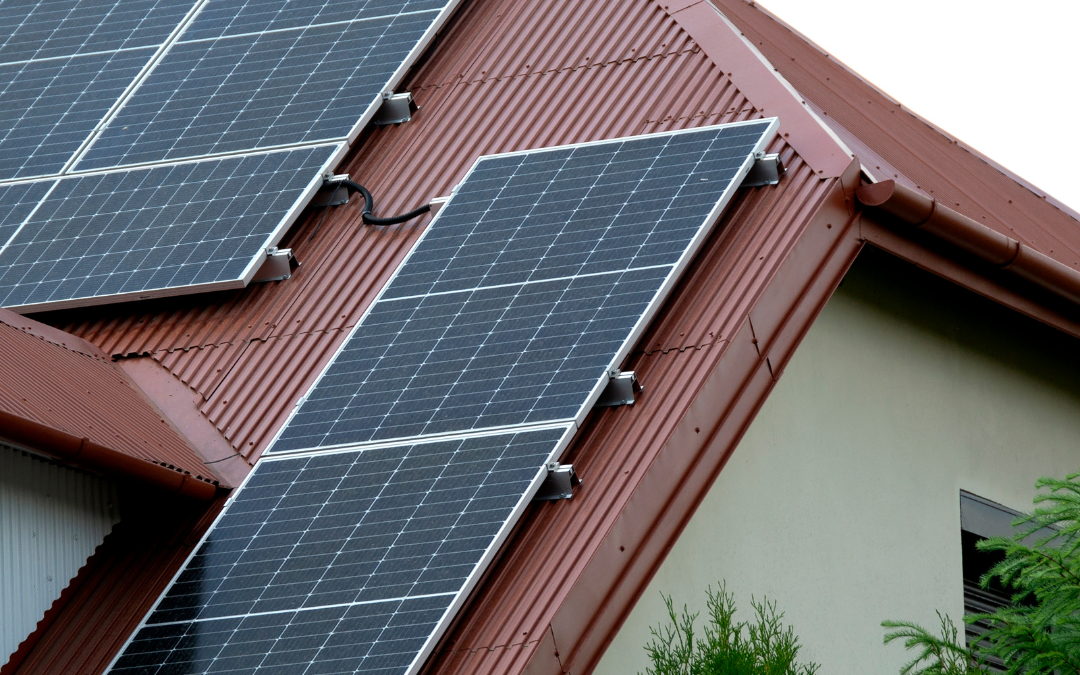
When installing solar panels, they must be placed correctly, avoiding the roof’s edges. Panels should not surpass the highest point of the roof (excluding chimneys) and must not project more than 200mm from the roof’s surface. For information on additional requirements or specific conditions, it is best to check with your local planning authority.
What measures do I need to take to confirm my roof’s ability to support solar panels?
Ensuring your roof can bear the extra weight of solar panels involves consulting a structural engineer. These specialists are trained to assess load-bearing requirements and have extensive experience with several types of structural challenges. They will evaluate your roof’s construction to see if it can support the added weight of solar panels. Should your roof be insufficient, more significant structural work will be needed, which is far preferable to the potential dangers of roof failure and the resulting damage to both your home and solar panels.