
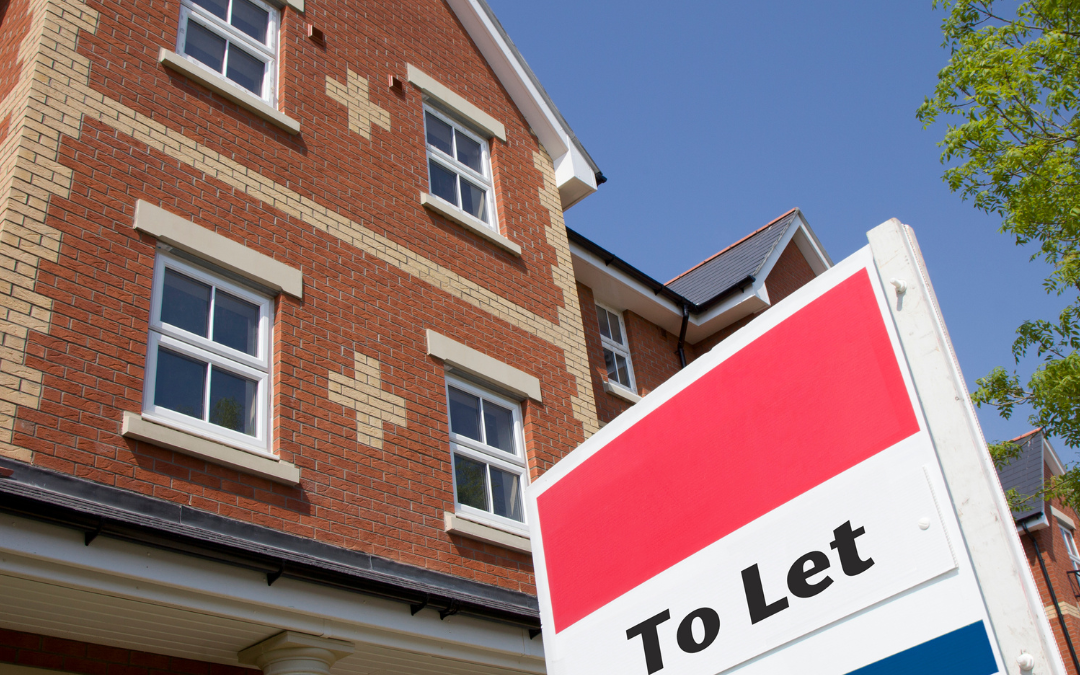
As the buy-to-let market continues to grow, more people are becoming first-time landlords. If you are considering joining them, it is important to know what to look for in a property and what to avoid. Key features to consider include location, condition, and potential for rental income. You should also think about the necessary precautions, such as whether to hire a surveyor to inspect the property and identify any hidden issues before making a commitment.
The combination of historically low interest rates and the growing number of individuals using pension lump sums to invest has made property an appealing choice for many. As even more people are expected to enter the market, it is essential to be aware of the potential risks involved. To ensure a successful start, here are some important tips to keep in mind when venturing into property investment.
Consider the Importance of Location
The key to making a smart property purchase is conducting thorough research upfront. Look at the rental market in the area you are thinking about buying in. Check out what kinds of properties are for rent and what rent levels are typical. This will help you understand the market dynamics and inform your decision.
If you are not seeing much activity in your local property market, consider branching out to surrounding areas. The goal is to find up-and-coming districts that are starting to gain popularity but have yet to reach their peak. A letting agent can provide guidance on the current trends and rental demand in various locations.
Plan Your Budget with Realistic Expectations
When making a property investment, it is essential to consider every cost involved. This encompasses the expense of preparing the property, as well as the ongoing maintenance and repairs needed to keep it in good condition and up to code. A recent survey found that more than 10% of landlords neglect to account for repair costs in their planning.
You may also need to account for the cost of hiring a property management agent to oversee the rental. Additionally, be prepared for “void periods”, times when the property remains unoccupied, and no rental income is generated. Make sure to assess what rent you can realistically charge and whether it will cover all associated costs, including these gaps in income.
Determine the Type of Property You Want
Although your budget will be a key factor, it is also important to understand the rental market in your chosen area. Are family homes the most in-demand properties, or is it a location where young professionals prefer smaller flats? Knowing this will help you invest in a property that aligns with the local rental trends.
Create a Checklist of Must-Have Features
Adopting the perspective of a renter can help guide your decisions. In some areas, parking may be a key consideration, while features like updated bathrooms, functional fitted kitchens, and built-in wardrobes are increasingly regarded as must-haves for many tenants looking for a comfortable home.
Think carefully about ongoing maintenance costs when evaluating a property. Large gardens or other high-maintenance features may seem appealing but can end up being a financial drain without offering much in return in terms of rental income or tenant appeal.
Why a Detailed Survey is Essential Before You Buy
Once you have chosen a property that meets your needs, do not skip the step of assessing its condition. Hidden defects or maintenance issues can become significant financial burdens later. Keep in mind that, as a landlord, you are legally obligated to ensure the property remains in good repair.
If you are taking out a mortgage, remember that the valuation is conducted on behalf of the lender and will not necessarily expose all potential issues. Cash buyers should also consider getting a survey, as opting out just because you are not financing through a mortgage could leave you vulnerable to unexpected repair costs.
When buying a buy-to-let property, a survey is mandatory, regardless of how it is financed. Such an investment demands careful evaluation, as serious issues like damp or subsidence not only threaten the property’s condition but could also force tenants out, disrupting the income stream you are planning to rely on.
Engaging a chartered surveyor for a thorough building survey before agreeing to buy can be a crucial safeguard against unexpected costs. Furthermore, identifying defects during the survey process could strengthen your position to request a discount on the asking price.
Should You Take on a Refurbishment Project?
Renovating a property in disrepair, as seen on popular TV shows, can be appealing, but it is not always realistic unless you have both the skills and time to manage the project. Understanding the financial investment required and its effect on rental income is vital. A survey can also prepare you for future maintenance obligations.