
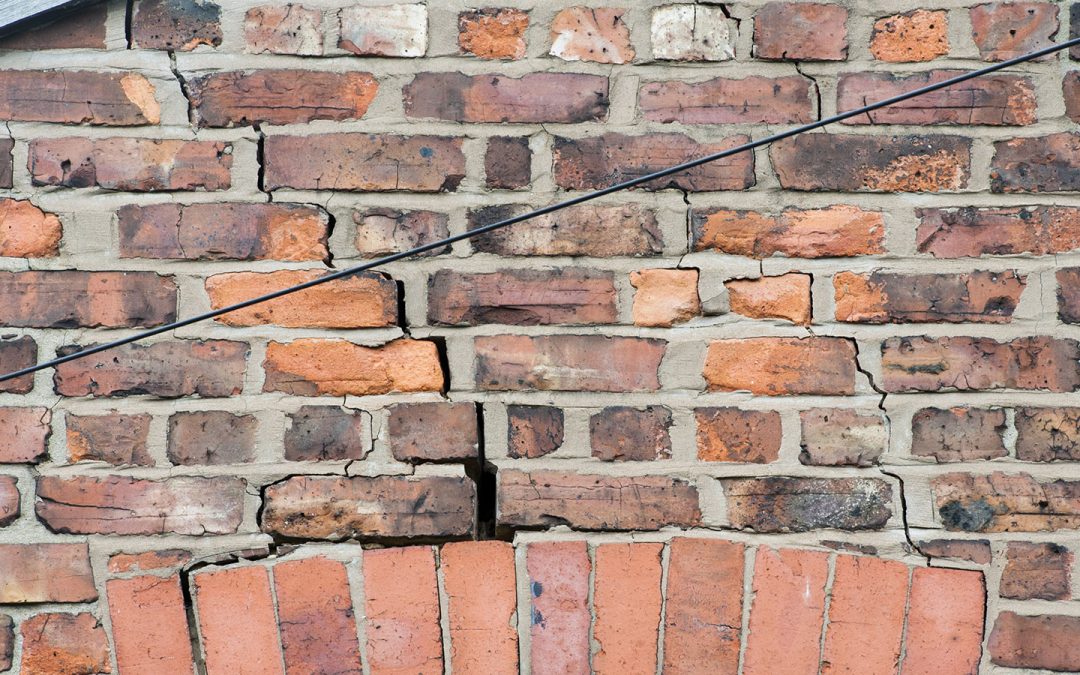
It is widely recognised that some properties can suffer from dampness penetrating through solid walls due to driving rain. Even though a 215mm thick solid brick wall might seem like an adequate barrier against rain, defects can occur that compromise its effectiveness.
The first step in diagnosing this problem is to rule out other potential causes, with leaking gutters being the most obvious. In my experience, leaks from gutters, hopper heads, or downpipes are often the main source of dampness in older properties. Homeowners typically see internal symptoms like damp patches and mould, but internal condensation might also be a contributing factor.
Once rainwater is penetrating the wall, you should carefully assess the wall’s condition. Start by inspecting the mortar joints. Solid brick walls were typically built with lime mortar, which has advantageous characteristics such as self-healing. Nevertheless, lime mortar can become fragile and crumbly with age, a condition described as ‘friable’ by surveyors.
If erosion has affected the mortar joints, re-pointing the wall will help it regain its water-tight properties. Always use materials that match the original, so lime mortar is the choice for repairs on solid brick walls. Should the mortar joints be in good condition, the issue might be with the bricks. Bricks are naturally porous, absorbing water during wet weather. If temperatures fall below freezing, the trapped water can freeze, expand, and potentially damage the brick surface, leading to ‘spalling,’ as noted by surveyors.
If the brick surface becomes damaged, what are your options?
For walls in less prominent locations where the brick finish is not crucial, applying a render could be an effective and economical choice. This method offers a permanent waterproof solution and requires little maintenance if left unpainted. Proper control of the drying process is essential to prevent issues like cracking and de-bonding later.
To preserve the appearance of the wall, you will have to cut out the damaged bricks and replace them with similar second-hand ones. While this method is both time-intensive and expensive, it will effectively return the wall to its original state if done properly.
For assistance in sourcing a matching brick, consider reaching out to the Brick Development Association, which has a detailed database of bricks and their suppliers.
For minor spalling, applying a sealant could be considered. Yet, experts, including the Brick Development Association, advise against this because it might trap existing moisture and hasten the damage. Thankfully, there are now breathable sealants that offer a more suitable solution.
S Jones Surveying offers specialised Homebuyer Reports that deliver the tailored insights and information you need to make educated decisions about your property.