
When planning a home extension, the roof design is often left until late in the process, but it should not be. The roof plays a key role in the overall cost, performance, and appearance of your extension. It is also the area most prone to long-term issues such as water ingress if poorly designed or constructed. On the plus side, it offers one of the best opportunities to enhance the architectural character of your home.
There is no single “right” roof type for every extension. The best choice will depend on your budget, planning constraints, and how you intend to use the new space. Below, we explore five popular roof options for home extensions, outlining their benefits and drawbacks.
1. Pitched Roof
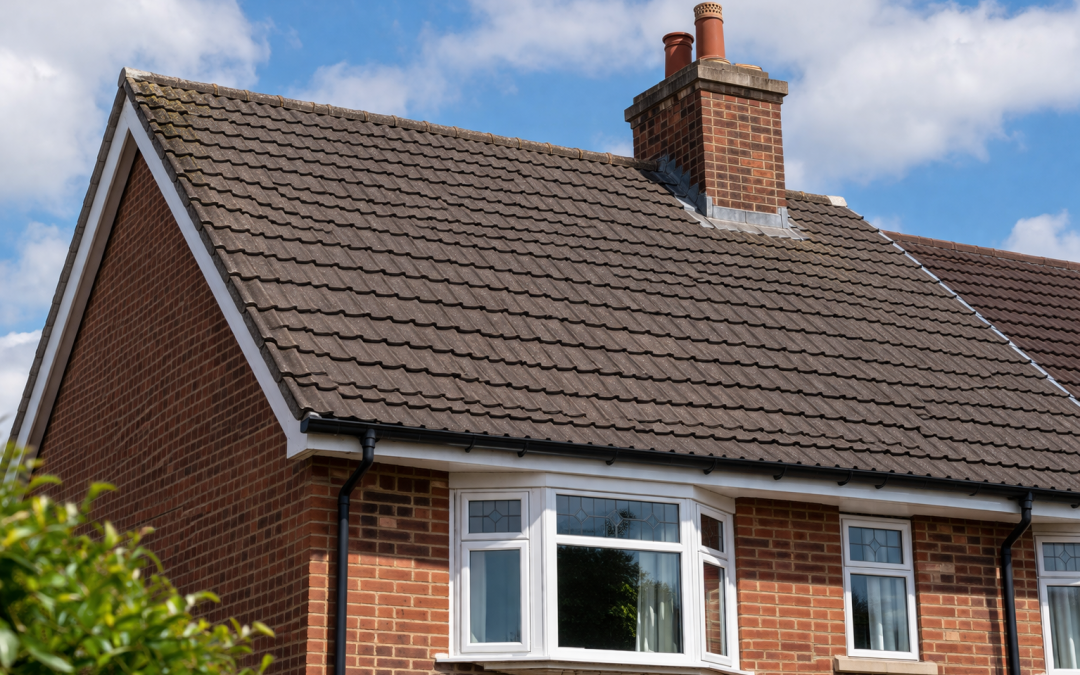
A pitched roof remains one of the most traditional and visually appealing choices for an extension. Its sloping form allows rainwater to drain efficiently and provides opportunities for increased ceiling height, vaulted interiors, and even loft or storage space.
From an aesthetic perspective, pitched roofs tend to blend seamlessly with existing homes. Externally, materials such as slate or concrete tiles can be selected to match the original building, helping the extension feel like a natural continuation rather than an add-on. Internally, features such as exposed beams or angled ceilings can create a strong architectural statement.
Pitched roofs also allow for the installation of rooflights, which introduce significantly more natural daylight than standard windows or doors.
Planning authorities view pitched roofs favourably, particularly where they reflect the form and materials of the original house. This can make securing planning permission easier, especially on visible elevations.
The main downside is cost. Pitched roofs involve more complex construction and higher material costs than flat roofs.
Pros
- Visually attractive and timeless
- Often preferred by planners
- Increased ceiling height
- Potential loft or storage space
Cons
- Higher construction cost
2. Felt Flat Roof
Flat roofs are a common choice for extensions due to their simplicity and affordability. A felt flat roof is quick to install, easy to insulate, and works well with a wide range of extension shapes and sizes.
However, flat roofs typically have a shorter lifespan than pitched alternatives, with felt systems lasting around 10–15 years. They are also more vulnerable to leaks, standing water, and moss or plant growth in damp conditions.
While flat roofs make it easy to install rooflights and flood the space with daylight, they result in lower ceiling heights and do not offer additional storage.
From a planning perspective, flat roofs are usually acceptable for rear extensions but may be discouraged on front elevations or where the extension is visible from a public highway.
Pros
- Cost-effective
- Simple construction
- Suitable for rear extensions
Cons
- Shorter lifespan
- Greater risk of leaks
- Limited ceiling height
- Rarely approved on front elevations
3. Inverted Flat Roof
An inverted flat roof reverses the traditional flat roof build-up, placing the waterproof membrane beneath the insulation. The insulation is then weighted down with paving slabs or another surface finish. This protects the waterproof layer from weathering and physical damage, extending the roof’s lifespan.
A major advantage of this system is that the roof can be used as a terrace or balcony, creating valuable outdoor space. This can be particularly beneficial in urban settings where garden space is limited.
That said, using a roof as an external area brings additional planning considerations. Issues such as privacy, overlooking, safe access, and balustrade design will all need to be addressed, and neighbouring properties may be consulted as part of the process.
Inverted roofs are more expensive than standard flat roofs due to their structural requirements and increased load capacity.
Pros
- Can provide usable outdoor space.
- Longer lifespan than traditional felt roofs.
- Clean, contemporary appearance
Cons
- Additional planning requirements
- Higher construction costs
- No increased ceiling height or loft space
4. Glazed Roof
A glazed roof is an excellent option where maximising natural light is a priority. Often used in kitchen extensions or open-plan living spaces, glazed roofs create bright, uplifting interiors and can form a striking architectural feature.
Unlike conservatories, glazed roofs combined with solid walls offer a balance of openness and privacy. However, they do provide lower thermal performance than conventional roofs, making careful specification essential.
Glazed roofs are best suited to spaces where daylight is valued over thermal efficiency, such as kitchens, dining areas, circulation spaces, or studios. They are unsuitable for bedrooms or bathrooms.
Building regulations require glazed roofs to meet specific thermal performance standards, so professional advice from an architect or builder is essential. Planning permission is usually achievable, provided the design is sympathetic to the existing property, though restrictions are tighter in conservation areas or for listed buildings.
Pros
- Exceptional natural daylight
- Strong architectural impact
Cons
- Higher cost
- Reduced insulation performance
5. Green Roof
Green roofs are becoming increasingly popular as a sustainable roofing solution. Featuring layers of planting or vegetation, they help improve biodiversity, manage rainwater runoff, and soften the visual impact of new development.
Planning authorities often support green roofs due to their environmental benefits, particularly in urban areas. They can be installed on both flat and gently sloping roofs, though pitch angles are limited.
Green roofs require more maintenance than conventional roofs, although low-maintenance planting schemes can reduce upkeep. They also cost more than standard flat roofs, with prices varying depending on design and structural requirements.
While still relatively uncommon for domestic extensions, green roofs can be a distinctive and environmentally responsible choice.
Pros
- Environmentally friendly
- Often favoured by planners
- Visually striking
Cons
- Higher cost
- Ongoing maintenance required