
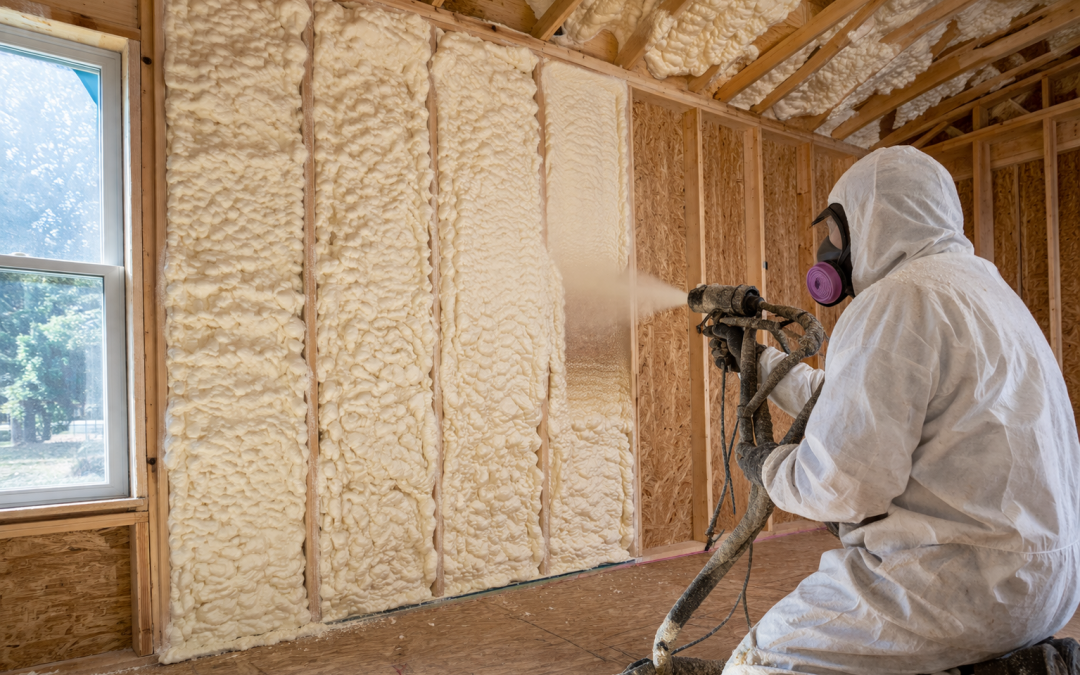
A thorough property survey can identify a variety of potential issues with a building, but one concern that often goes unnoticed is the presence of spray foam insulation. This type of insulation might seem like an efficient solution, but it can create serious long-term problems for the structure of the property.
Spray foam insulation has been a fixture in the UK for over 30 years. This liquid foam is sprayed onto sloping roof surfaces to provide an extra layer of thermal protection. Spray polyurethane foam (SPF) is typically applied to roofs in need of repair or as a speedy solution to insulation needs. Its growing popularity in recent years is due to its appeal as an alternative to more traditional insulation materials like fiberglass, wool, or insulation boards.
Properties with spray foam insulation are becoming a tough sell with mortgage lenders, who are now more hesitant to approve loans for homes containing SPF. Many lenders will simply refuse the loan application. As a result, surveyors and valuers are being forced to adjust the market value of these properties or call for a specialist evaluation if spray foam insulation is detected.
Why Spray Foam Insulation is a Smart Choice.
SPF is a liquid foam that is applied as a lightweight material and hardens in place after spraying. Usually, it is applied in a 100mm thick layer on the underside of the roof. One downside of this insulation is that it can emit lingering toxic fumes during installation. The appearance of the material is often considered unattractive, and it cannot be painted over, unlike some other insulation options. Furthermore, SPF tends to be pricier than traditional insulation materials.
SPF offers superior insulation compared to traditional mineral wool, meaning a thinner layer is sufficient to achieve the same level of thermal efficiency. Applied directly to the roof slope, it also does not interfere with the floor space in the loft, making it easier to board the area. Contractors emphasize the long-term benefits of SPF, claiming it can lower energy bills by up to 20%, prevent water tanks and pipes from freezing, and ensure a dry loft. Furthermore, the rigid foam can add strength to the roof structure, reducing the risk of tiles slipping.
SPF insulation comes in two variations: closed-cell and open-cell. Closed-cell SPF has a firm, rigid texture and is highly effective at blocking moisture. It forms a strong barrier that helps prevent water penetration. On the other hand, open-cell SPF is more flexible and spongier, offering less insulation efficiency but providing excellent sound absorption. Additionally, open-cell SPF allows water vapour to pass through, which can be beneficial in certain applications.
What Are the Risks of Using Spray Foam Insulation?
One of the main drawbacks of SPF insulation is its tendency to block proper ventilation in the roof space, which can result in condensation problems over time. This issue is more pronounced with closed-cell SPF due to its rigid nature, but even open-cell foam, which is considered more breathable, can still trap moisture where it meets the roof coverings, potentially leading to condensation in these junctions.
Moisture build-up over time can lead to the rotting of roof timbers, and any defects in the roof covering may be hidden, allowing water to seep in and further accelerate timber decay. Damp problems in the roof could be due to either condensation or water penetration, so a thorough building survey is recommended to pinpoint the exact cause. Additionally, spray foam insulation is not recommended for period properties or listed buildings, especially those with stone flag, slate, or handmade clay tile roofs. If SPF insulation has been used, it can prevent the reuse of roofing materials when the old roof is replaced.
Mortgage Lender Perspectives on the Matter
Surveyors often face differing lender requirements when it comes to spray foam insulation (SPF). Some lenders may ask for structural engineer or roofing contractor assessments, others might reduce the property’s valuation to account for potential roof renewal costs, or in some cases, they may outright decline the loan application. Property surveyors and valuers need to ensure they are fully aware of the latest lender-specific guidance when SPF insulation is present during a survey or mortgage valuation.
Some lenders have not provided clear guidance on whether they will approve mortgages for properties with SPF insulation. Whether you are thinking about installing SPF in your home or purchasing a property where it is already present, contacting your mortgage provider in advance is strongly recommended.