
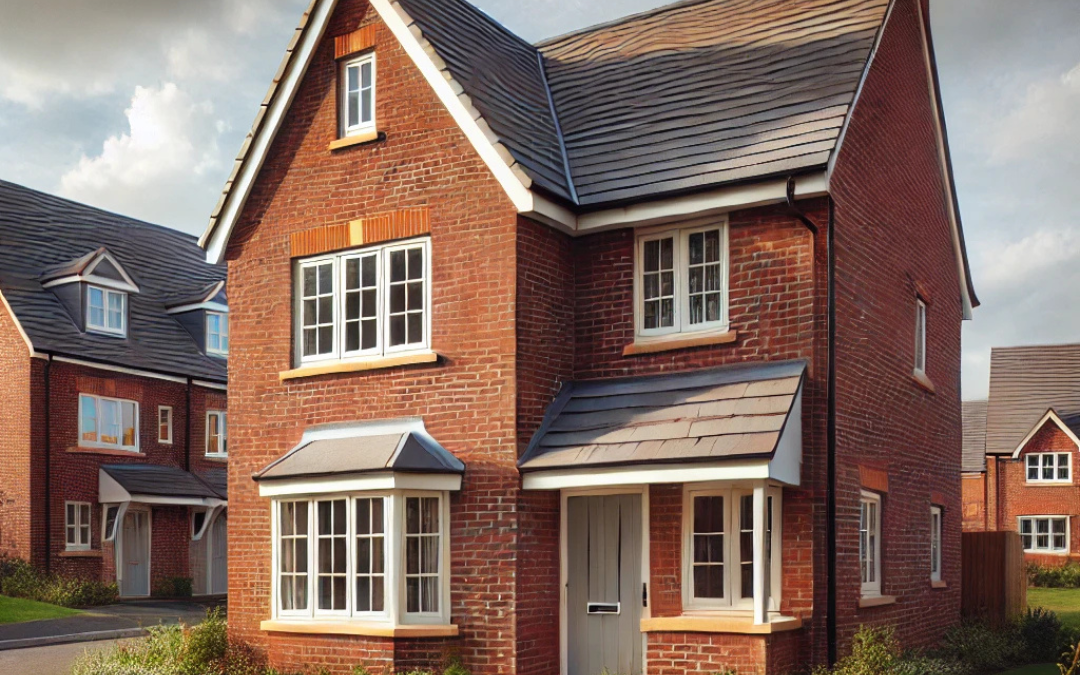
Is a Nearly New Home Right for You? Pros and Cons Explained.
For many, the dream of homeownership involves buying a brand-new house. But what about those homes that are only a few years old? Are new houses and flats a more realistic option for first-time buyers or those looking to make a move in today’s market?
Buying a nearly new home where you could be the second or third owner comes with both rewards and potential pitfalls. In this article, we break down the pros and cons to help you decide if this type of property is the right fit for you.
When considering the price of a property, it is essential to recognise that it is always linked to the prevailing economic conditions and housing market trends at the time of the survey. These factors can significantly affect property values.
Why It is a Good Choice
No Price Markup Like a Newly Built Home
When you buy a brand-new home in a sought-after area, you are often paying a premium price. However, nearly new homes tend to be priced more competitively, especially if newer properties are being built nearby, such as in growing housing developments.
A Speedy Sale
Sometimes, a property is sold due to unexpected changes in the seller’s life, like a new job, expanding family, or relationship issues. This urgency to move can result in the seller being more willing to negotiate on price to secure a quick sale.
Your Warranty Benefits
If you are buying a property that is a few years old, do not forget that it may still be protected by the original warranties, like the NHBC or equivalent architect’s warranties, depending on the property’s age.
These warranties usually span 10 years, with full coverage in the first year that gradually decreases over time. By year ten, only the structure is typically covered. While the coverage details may differ, the warranty ensures you will not face significant financial loss even if repairs are needed.
High Expectations
If you are looking at a home that is just a few years old, it is likely to adhere to modern building standards. This means it will be more energy-efficient, better at resisting fire, and less prone to draughts compared to an older home, such as a Victorian terrace.
The Disadvantages
Ineligible for the Help to Buy Assistance
Keep in mind that this applies exclusively to newly built homes. So, even if you are a first-time buyer, you will not receive any help with your deposit on an older property.
How Property Chains Affect Your Move
One thing to keep in mind when buying a property is that there is often a chain involved, which can make things more complicated. Whether you must wait for the current owner to move out or vice versa, it can cause delays on both sides.
Reduced Size
Newer homes are often smaller and positioned closer together, particularly on housing estates, leading to smaller gardens and potential issues with noise and parking. Additionally, they may lack the character and sense of community often found in older properties, especially if amenities like shops and medical services are not nearby.
Challenges in Selling
Newer homes often have a standard design, which can reduce their appeal when you eventually sell, unless you have made substantial upgrades. As with any property, without proper upkeep, they are more likely to develop issues over time.
A Pre-Owned Home
While there may not be any significant issues with the property, the design choices made by the previous owner might not align with your preferences. This could result in additional costs for redecoration. You may also encounter minor damage, such as scuff marks or pet damage. Furthermore, purchasing a previously owned home means you lose the sense of pride that comes with being the first occupant.